
Will a Small Wind Turbine Work at Your Site?
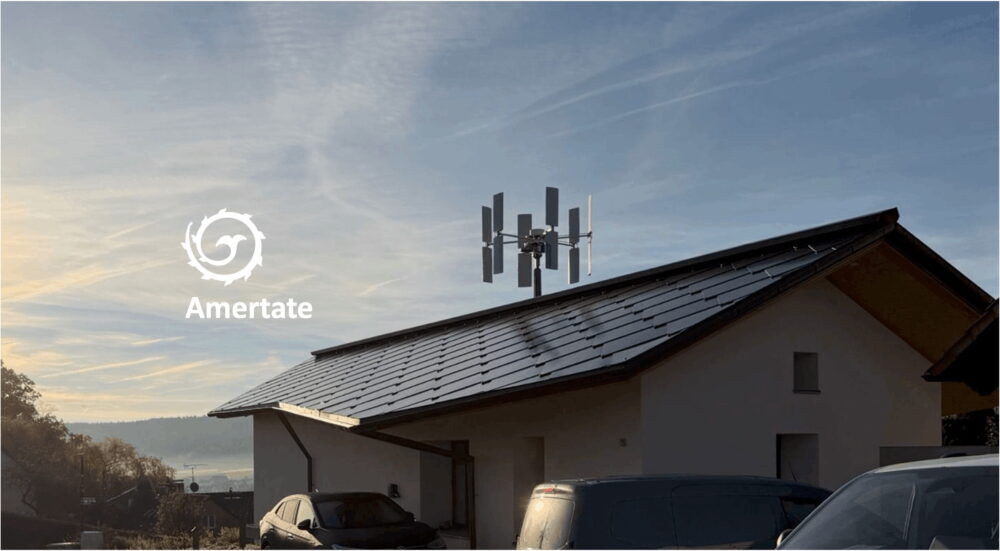
Is There Enough Wind at My Location for a Small Wind Turbine
When considering a small wind turbine, one of the first questions is: “Is there enough wind at my location to make it worthwhile?” This question matters whether you are exploring wind energy for agriculture or considering a commercial or industrial wind energy project.
It may seem that the answer is straightforward: find the average wind speed for your area, compare it with the turbine specifications, and decide. However, assessing wind energy potential requires a closer look.
Average wind speed is important, but it is only one part of determining how much electricity a small wind turbine could generate at a specific location.
Why Average Wind Speed Is Not Enough
Two locations can have the same annual average wind speed and still offer very different conditions for wind energy production. This is because wind does not blow at a constant speed throughout the year.
An annual average combines thousands of hours of changing conditions into a single number. A location might experience long periods of moderate wind, frequent gentle breezes, occasional strong winds, or a combination of all three.
For a small wind turbine, how often different wind speeds occur matters as well as their average. This pattern, known as the wind speed distribution, helps explain why estimating annual energy production requires looking beyond a single wind-speed figure.
Why Location and Installation Height Matter
Wind conditions can vary considerably even within the same geographical area. Buildings, trees, terrain and other obstacles influence how air moves around a site. Installation height also matters, as wind conditions can change higher above surrounding obstacles.
A turbine installed on an open agricultural site may therefore experience very different conditions from one near commercial or industrial buildings, even if both locations are covered by the same regional wind data.
Instead of asking only, “How windy is my city or region?”, a more useful question is: “What are the wind conditions at the exact location and height where my turbine would operate?” The turbine, location and installation need to be considered together.
VAWTs in Low Winds and Changing Directions
A site does not need strong winds throughout the day for wind energy to be relevant. What matters is whether the turbine can make productive use of the wind conditions that occur throughout the year.
Amertate’s vertical-axis wind turbines (VAWTs) are designed to begin generating electricity at wind speeds as low as 2 m/s. Their hybrid design combines lift and drag forces, while the variable blade-angle system adjusts to changing wind conditions to optimise energy capture.
The vertical-axis design can also capture wind from different directions, making the turbine less dependent on wind consistently arriving from one particular direction.
These characteristics are particularly relevant for small wind installations, where local wind conditions can be complex and moderate or lower wind speeds may represent a significant portion of the available wind resource. More usable wind hours can mean more opportunities to produce energy over the course of a year.
Will a Small Wind Turbine Work at Your Site?
Suitability depends on the site, which is why a site evaluation is essential. A regional average wind speed provides a useful starting point, but it cannot by itself tell you how much electricity a turbine could generate at your property.
Location, wind speed distribution, installation height, surrounding obstacles, turbine model and local energy needs all contribute to the assessment. These factors matter when evaluating small wind turbines for farms, commercial premises and industrial sites.
For projects moving beyond the initial estimate, the site conditions and energy requirements can be assessed in more detail to identify a suitable turbine configuration.
The most useful question therefore goes beyond “Do I live in a windy area?” to “How much of the wind available at my specific site can I turn into useful energy?” This provides a practical starting point for evaluating a small wind energy project.
Assess Your Site’s Wind Energy Potential
Amertate has developed an energy calculator to help you assess your site’s wind energy potential. Use our Wind Energy Calculator and enter the relevant site and installation parameters to receive an initial estimate of local wind conditions, potential electricity generation, investment requirements and payback period. These indicative results provide a useful starting point for a more detailed site assessment.
#SmallWindTurbine #WindEnergy #VAWT #VerticalAxisWindTurbine #RenewableEnergy #DistributedEnergy #WindEnergyPotential #EnergyIndependence #Amertate
